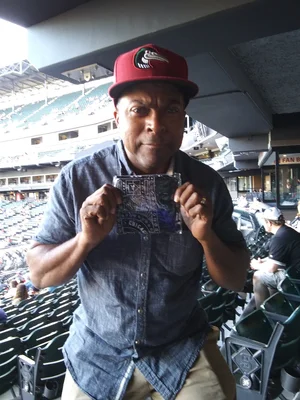
WE REMEMBER SONNY!
BOBBY BROOM RECALLS ROAD SHOWS AND "REEL LIFE" LESSONS FROM SONNY ROLLINS GUITARIST RECALLS 10-YEAR TENURE WITH SAXOPHONE LEGEND
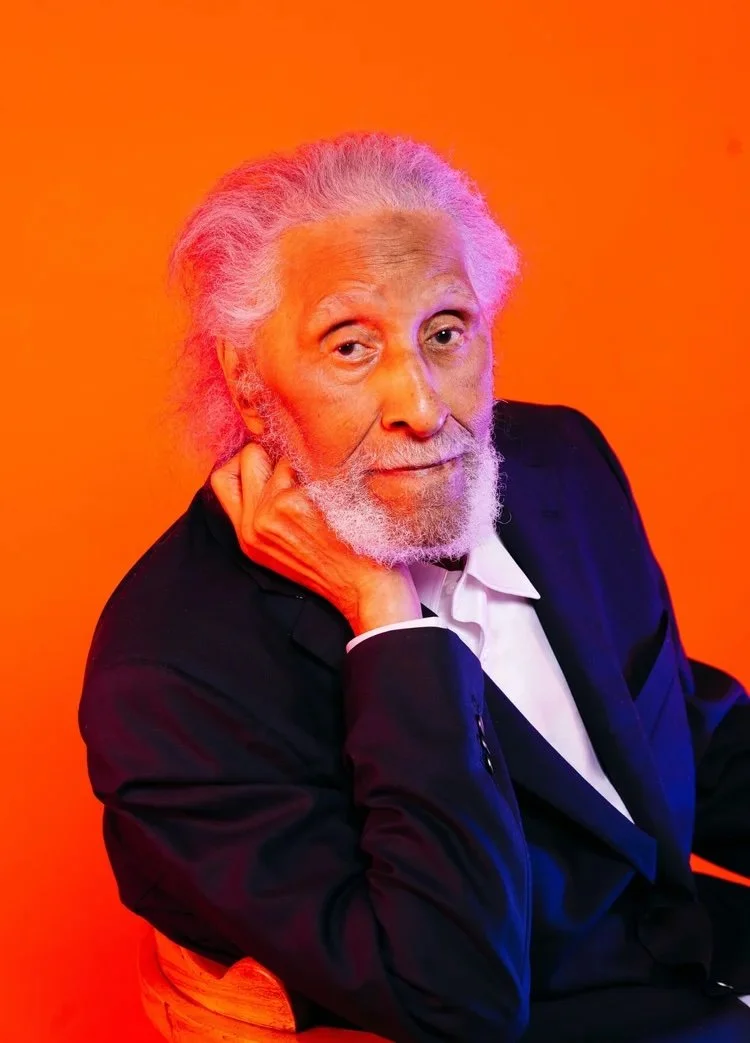
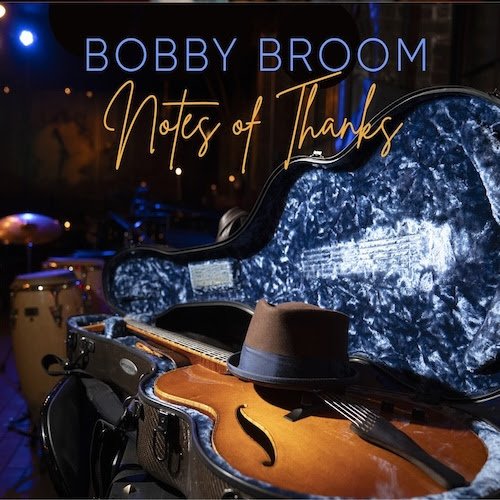
Note: This feature originally appeared in the September 2021 JazzGram. It is being reprinted here in honor of Walter Theodore “Sonny” Rollins, 1930-2026. Also, Notes of Thanks, Broom’s tribute album honoring Sonny, made its debut on May 1.
Heavy into his homework, the high school senior had no time to engage with whoever had just rang his home phone and asked for him.
“No…I think you wanna take this call,” the student’s mother replied. After acquiescing, the youngster took the receiver, said hello, and heard, “Hey, Bobby. It’s Sonny Rollins. How are you?”
Now that his focus had shifted, the student, Bobby Broom, listened as Rollins invited him to play guitar with his band at Carnegie Hall. Broom had already heard about this gig on the radio and expressed to his mother a desire to attend. He had met Rollins months before, so seeing him again would be cool.
That night, January 13, 1978, would be Broom’s first gig with Rollins’ band, which also featured trumpeter Donald Byrd. When asked about memories from that experience, he said, “Surreal.”
“I was so enthralled, enthused, and grateful,” Broom said, during a Zoom conversation from his home in Evanston. “I wasn’t nervous, because I knew my limitations. I could only play as best I could. He liked whatever it was; that’s all I could do…so great!”
Broom, whose discography includes 12 solo albums, has toured and/or recorded with such artists as Pharez Whitted, Dr. John, Miles, and Ron Blake. He discussed his two, five-year stays with Rollins – 1982-7 and 2005-10 – days after Fitzgerald’s in Berwyn hosted a July 8 screening of Saxophone Colossus, a 1986 documentary featuring Rollins in multiple live performances. Broom’s trio, with bassist Dennis Carroll and drummer James Sims, performed an hour-long set that preceded the film.
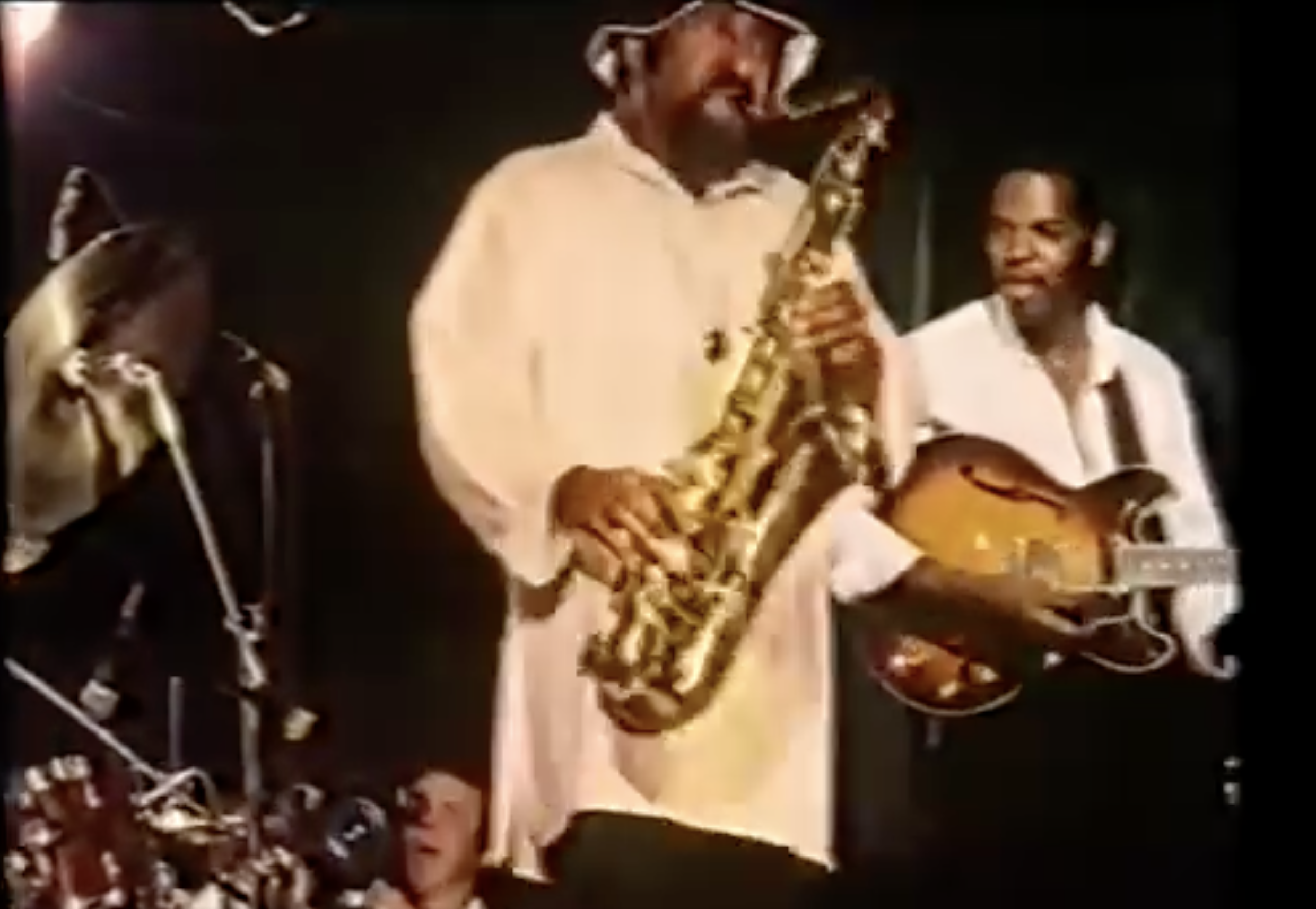
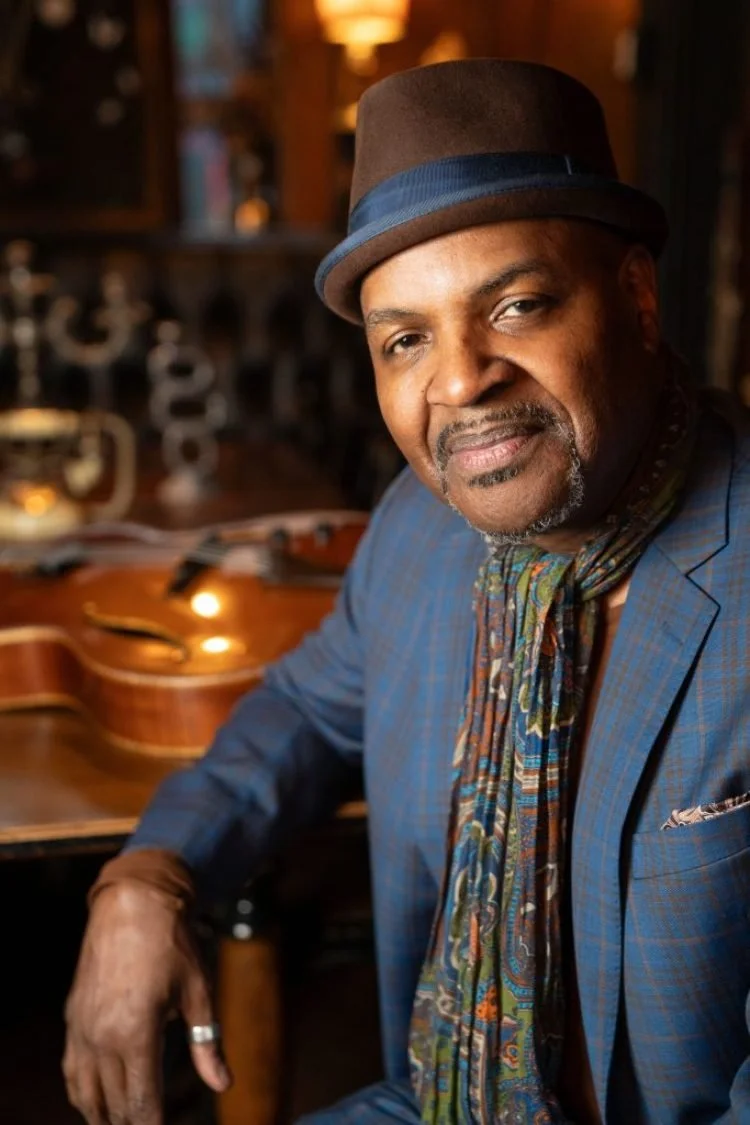
Even today, Broom is not sure how his appearance on Rollins’ radar happened. It all began at Billie Holiday Theater in Bedford-Stuyvesant, a neighborhood in Brooklyn. There, Broom performed in an “off-off Broadway” production, where he and other youths in a band got one scene and played a solo. One night, R.L. Ray, Rollins’ guitarist at that time, introduced himself and gave Broom the address to a place where he could audition for his boss. After receiving permission from his parents, Broom readied himself for the occasion.
While reading a Downbeat magazine, Broom was called into the rehearsal room, where he met bassist Bob Cranshaw and drummer Eddie Moore. The four then played for about an hour. When finished, Rollins told Broom to sit outside while everyone deliberated. “It was just surreal,” Broom recalled. “It’s still surreal when I think about it.”
After waiting and waiting, Broom watched as Rollins appeared and told him about an upcoming college tour. Would he be available? While honored, Broom had to decline, as he had to finish high school first. Rollins agreed, adding that he would call again in the future. Being invited to play at Carnegie Hall represented the future meeting the now.
Even after this performance – which also included Ray – Broom’s adrenaline and mind were at the maximum. Then he heard Rollins’ wife, Lucille, calling his name.
“She hands me this envelope, and I’m like, ‘What’s this? Is this money?’” he recalled. “I wasn’t expecting that at all. I still remember how much it was; Lucille was very cool. She took care of everyone.”
During Broom’s first stint with Rollins, he learned as much off the stage as in performance. “The most important lessons came from watching the way Sonny carried himself, his countenance, the way he interacted with people, and the way people interacted with him,” Broom said. “He was not ostentatious. He had a regal carriage, and he was a great role model for me.”
Experiencing Rollins’ endless energy on stage, Broom continued, could be funny and wonder-filling. “The fact that he could build melodically in his way was incredible,” he said. “Sonny would play something and then reference it minutes later. And I’m like, ‘How’s he doing that?’ Sometimes I would get swept up, and I was like, ‘Hold on! Can I hold on here!’ That’s how I felt.”
Rollins’ guru, Broom also learned, explained that his meditation came from playing. In a 2014 interview with National Public Radio, Rollins said, “The thing is this: When I play, what I try to do is to reach my subconscious level. I don't want to overtly think about anything, because you can't think and play at the same time — believe me, I've tried it (laughs). It goes by too fast.”
While performing, Rollins always gave “200 percent,” Broom said, noting how some performances exceeded three hours. And after a gig? “He would sign autographs for everybody. Sometimes the band would leave him at the venue, and an hour later he would still be signing and talking.”
On one rare off night in Sicily, Rollins did not play any solos during the first set. “Go, go, go! You guys play,” he said to Broom and bassist Victor Bailey. During intermission, an upset promoter accused Rollins of cheating his audience. The band, also confused, then learned that Rollins’ gums were in extreme pain. “Well, he sucked it up and came out strong that second half,” Broom recalled. “None of us got any more solos.”
Rollins, Broom continued, had an extensive musical palette that included songs from his childhood, show tunes, and the Top 40. He introduced Broom to such songs as “The Heather On the Hill,” “Someday I’ll Find You,” and “As Long as There’s Music.” Rollins also enjoyed Dolly Parton’s “Here You Come Again,” and James Ingram’s “Just Once.”
During a recent visit to Harlem, where Broom lived his first seven years, he stopped by the Schomburg Center for Research in Black Culture. There, Rollins had donated personal artifacts. Broom found one box labelled 1975-1980 and began looking. Legal pads with details and reminders, such as, “Go to Saks Fifth Avenue and gets ascots,” were present, and there were also notes about his musicians.
“He had just gotten to know my name, and it wasn’t written as ‘Bobby.’ It had an ‘e’ on the end,” Broom recalled. “The next box I found is when he asked me to join the band. It read, ‘Call Bobby Broom’ next to my home number. I took a picture of it, and it was really cool.”
Rollins, in an interview posted on zincjazz.com, said this about Broom’s playing: “Bobby is the reason I like the guitar.”