Jazz Masters Residency Program
Where classrooms become creative labs — led by Chicago’s finest.
This eight-session residency brings Chicago’s top jazz artists into CPS classrooms, creating hands-on opportunities for students in grades 4–12 to explore jazz through live mentorship, creativity, and collaboration. Music instructors also receive professional development and access to a featured concert at the University of Chicago’s Logan Center for the Arts, with free bus transportation and limited complimentary tickets to the Jazz at the Logan Series.
Residencies are offered free of charge to selected CPS schools, thanks to generous support from our partners. Program themes include jazz band intensives, vocal jazz, Latin jazz, improvisation, creative music, and more, giving schools the flexibility to choose what best supports their ensemble.
For CPS ensembles (grades 4–12)
Application required
Free for accepted schools
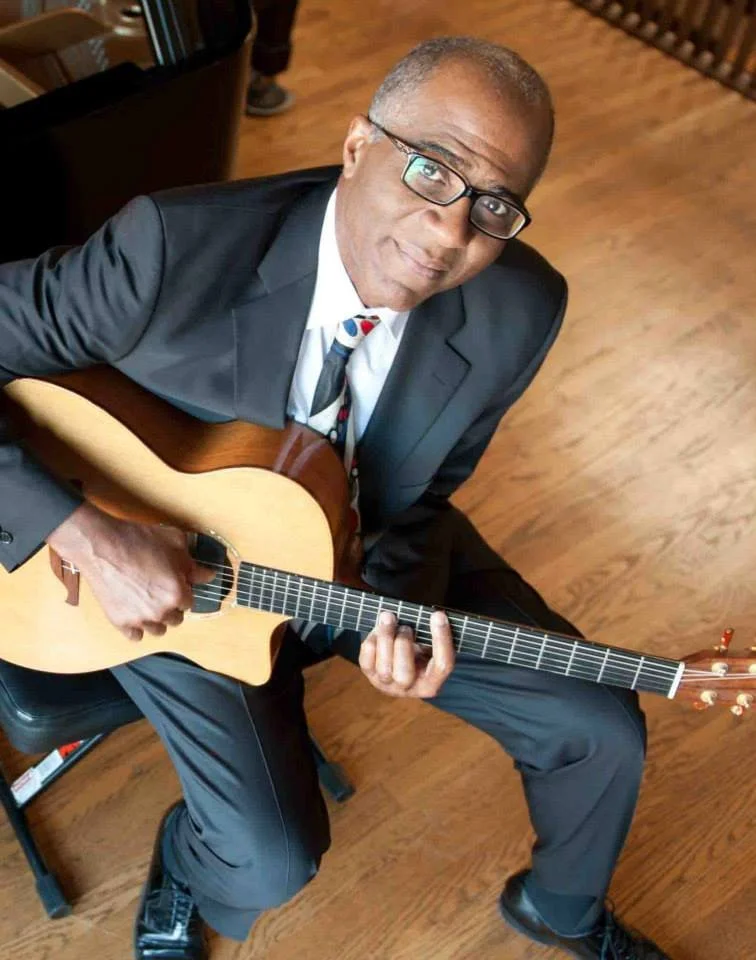
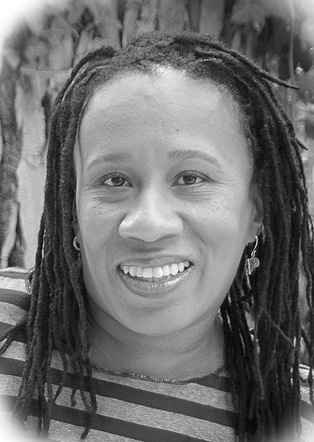
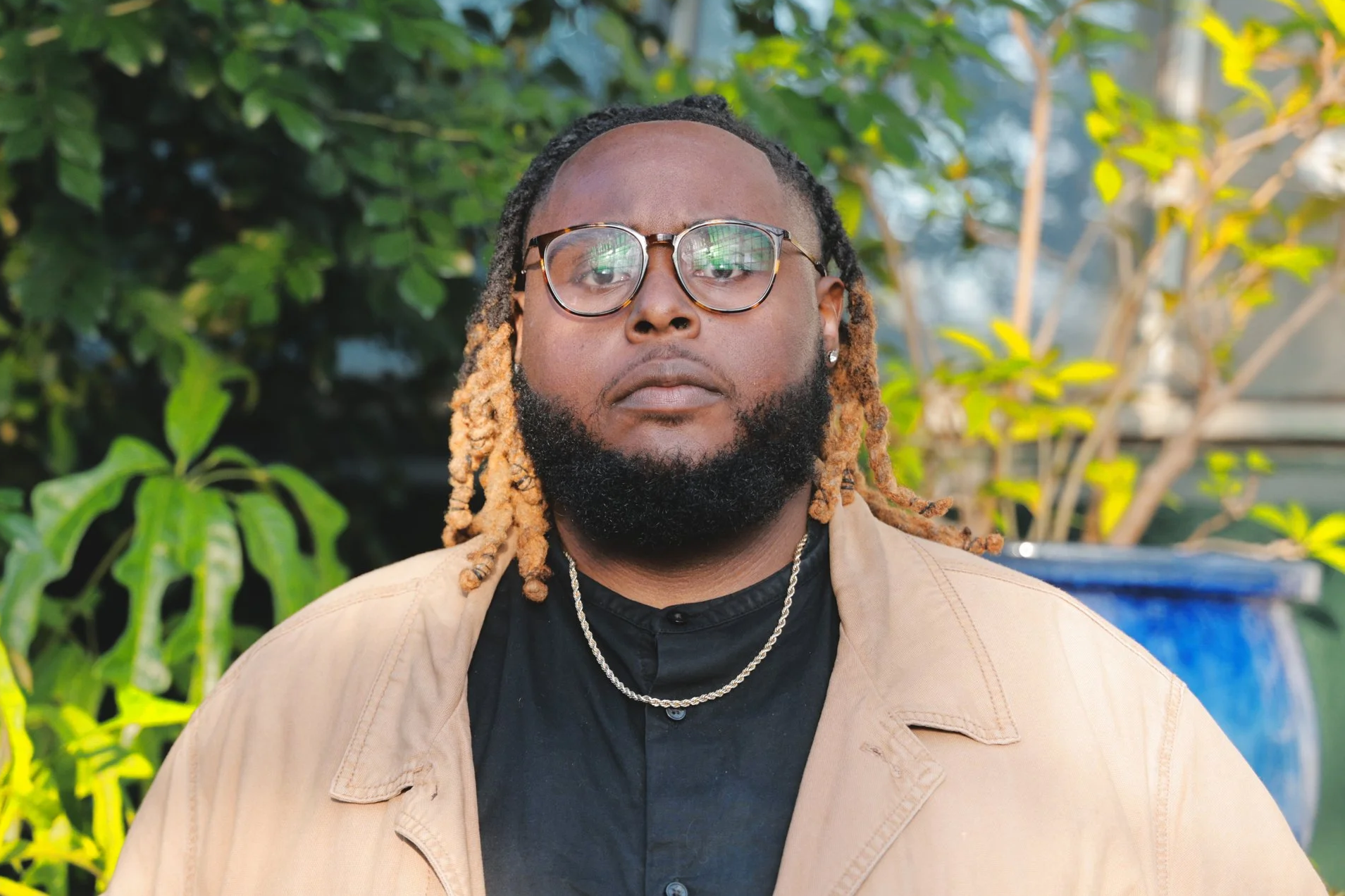
Resident Artists' Bios.
-
![]()
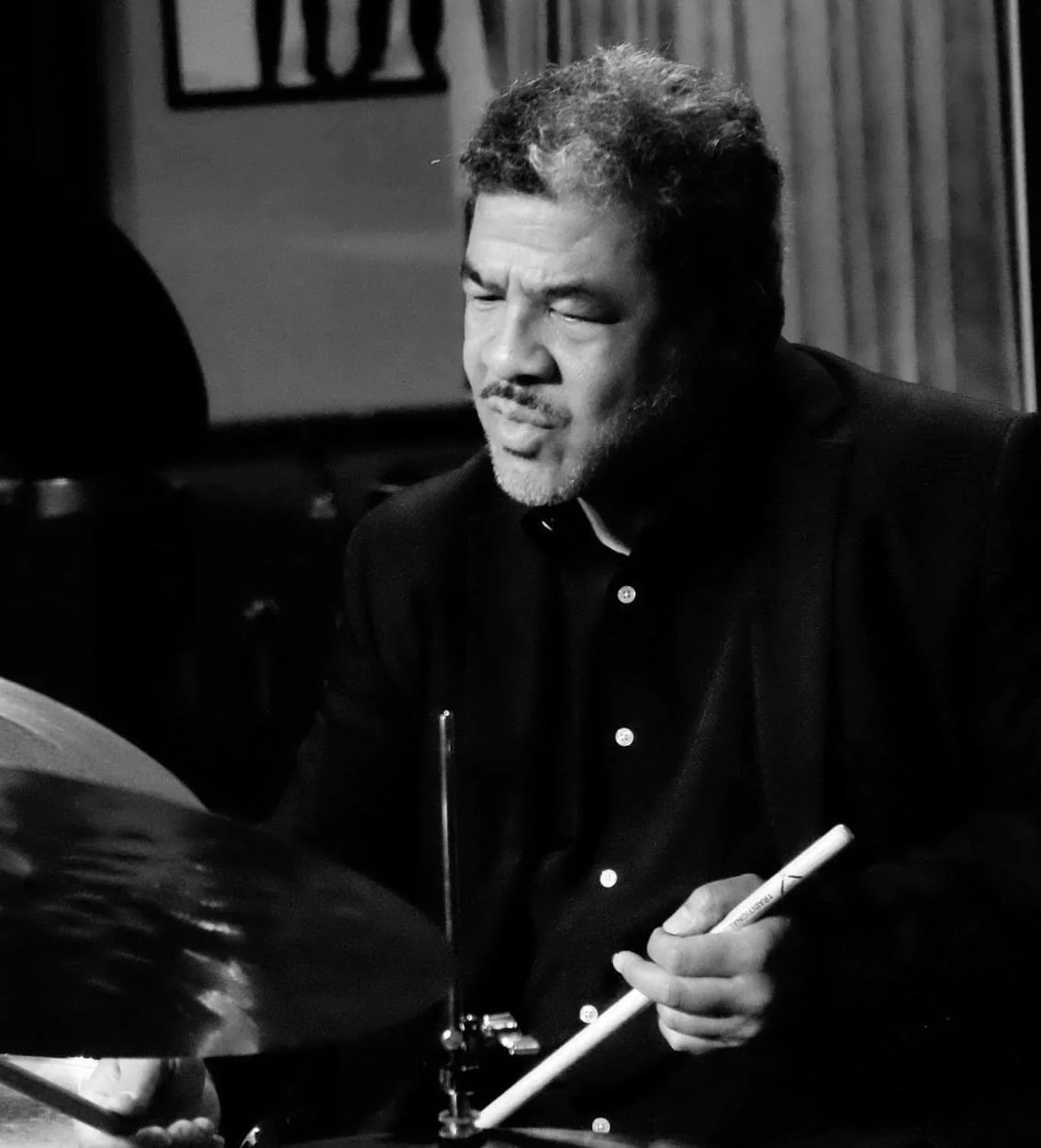
ERNIE ADAMS
Ernie Adams has been involved in the Chicago/Milwaukee and National "Jingle" scene for the past 25 years. Ernie Adams is a very experienced, high profile all-styles drummer, who has performed and recorded with many of the world’s greatest musicians. He is known for his perfect timing, solid groove, and brilliant technique that he combines with great musical taste and a wonderful personality. Adams has been involved in over 60 plus recordings, including Ramsey Lewis' 1999 CD "Apassionando" and Nancy Wilson's 2002 CD "Meant to Be". He has appeared on Ramsey's TV show "Legends of Jazz" with Kurt Elling and Al Jarreau. He has also performed, recorded and toured with the likes of Ramsey Lewis, AI DiMiola, Joe Williams, Billy Dickens, Arturo Sandoval, Steve Cole, Dianne Reeves, Stanley Turrentine, Ahmad Jamal, Richie Cole, James Moody, Joe Zawinul, Slide Hampton, Clark Terry, Orbert Davis, the Chicago Jazz Philharmonic, and the list goes on.
He has performed in world tours with such legendary greats as Stanley Turrentine, Art Porter, Dianne Reeves, Phil Upchurch and a host of others. Prior to becoming a Resident Artist for the Jazz Institute of Chicago, he worked from 1995-2003 as a Mentor in a program that allowed him to go into Chicago's inner-city high schools to tutor young drummers and percussionists to prepare them for professional gigs as well as impart on them lessons in life skills.
-
![]()
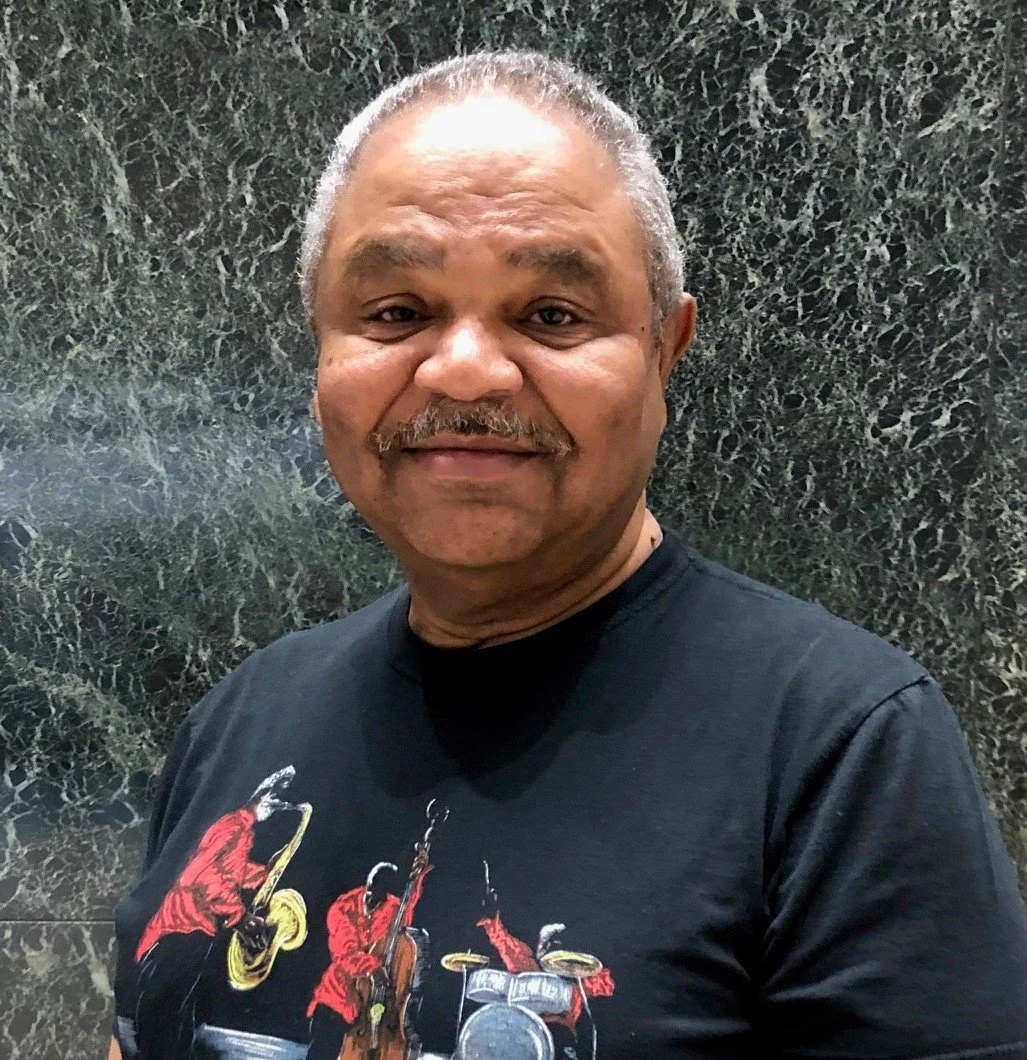
PHILIP A. CASTLEBERRY
Philip Castleberry received a Bachelor of Arts Degree from Morehouse College and a Master of Music Education Degree from VanderCook College of Music. For twenty years, Philip directed the award-winning Jazz Band at Lincoln Park High School in Chicago, also serving as Advanced Placement Music Theory instructor, and Music instructor for the International Bachelorette Program. He was recognized by The Jazz Institute of Chicago as Jazz Educator of the Year in 2010. Upon his retirement from Chicago Public Schools, Mayor Rahm Emanuel proclaimed June of 2016 to be Philip A. Castleberry Month in Chicago. Playing acoustic and electric bass, Philip has accompanied acclaimed musicians such as Cab Calloway, Sammy Davis Jr., Billy Eckstine, The Nicholas Brothers, The O’Jays, The Drifters, and Little Anthony & the Imperials, to name a few. He has toured extensively throughout the United States, Europe, and Japan. His numerous recording credits include Della Reese, The Dells, and a Grammy nominated album with Albertina Walker. Philip continues to perform throughout the Chicagoland area, the United States, and abroad.
-
![]()
TIM COFFMAN
Tim Coffman is one of the most active trombonists and teachers in the Chicago area. A graduate of the prestigious Jazz Studies program at Indiana University, where he worked closely with David Baker and Keith Brown, he was awarded the Performer’s Certificate after his Senior Recital. In demand for studio and show work, Mr. Coffman has performed with Frank Sinatra, Natalie Cole, Lou Rawls, The Temptations, The O’Jays, Barry Manilow, Louie Bellson, The Woody Herman Orchestra, Ron Carter, Kurt Elling, Von Freeman, Tito Puente, Al Jarreau, Stevie Wonder, Jimmy Heath, Randy Brecker, Benny Golson, Joe Lovano, Slide Hampton, Diana Krall, Tony Bennett, Lady Gaga, Aretha Franklin and many others. He played Lead Trombone with the Chicago Symphony on the Duke Ellington “Nutcracker” and appeared on the Grammy-nominated “Porgy and Bess” with Clark Terry and the Chicago Jazz Orchestra. In 2022 he toured with Wynton Marsalis and the Jazz at Lincoln Center Orchestra.
Mr. Coffman is the Jazz Studies Coordinator at North Central College in Naperville, IL, where he directs the big band and teaches applied arranging, composition, and trombone. He previously served on the Jazz Studies faculty at DePaul University from 1997–2021 and has taught at New Trier High School and Northwestern University. An XO Brass Artist/Clinician and Denis Wick artist, he has performed and adjudicated at high schools, festivals, and universities nationwide. He completed his first recording, Crossroads, on the Blujazz label, and has taught at the Jamey Aebersold Summer Jazz Workshop since 1992. Mr. Coffman is married to Becky and has two children, Daniel and Sarah, all musicians.
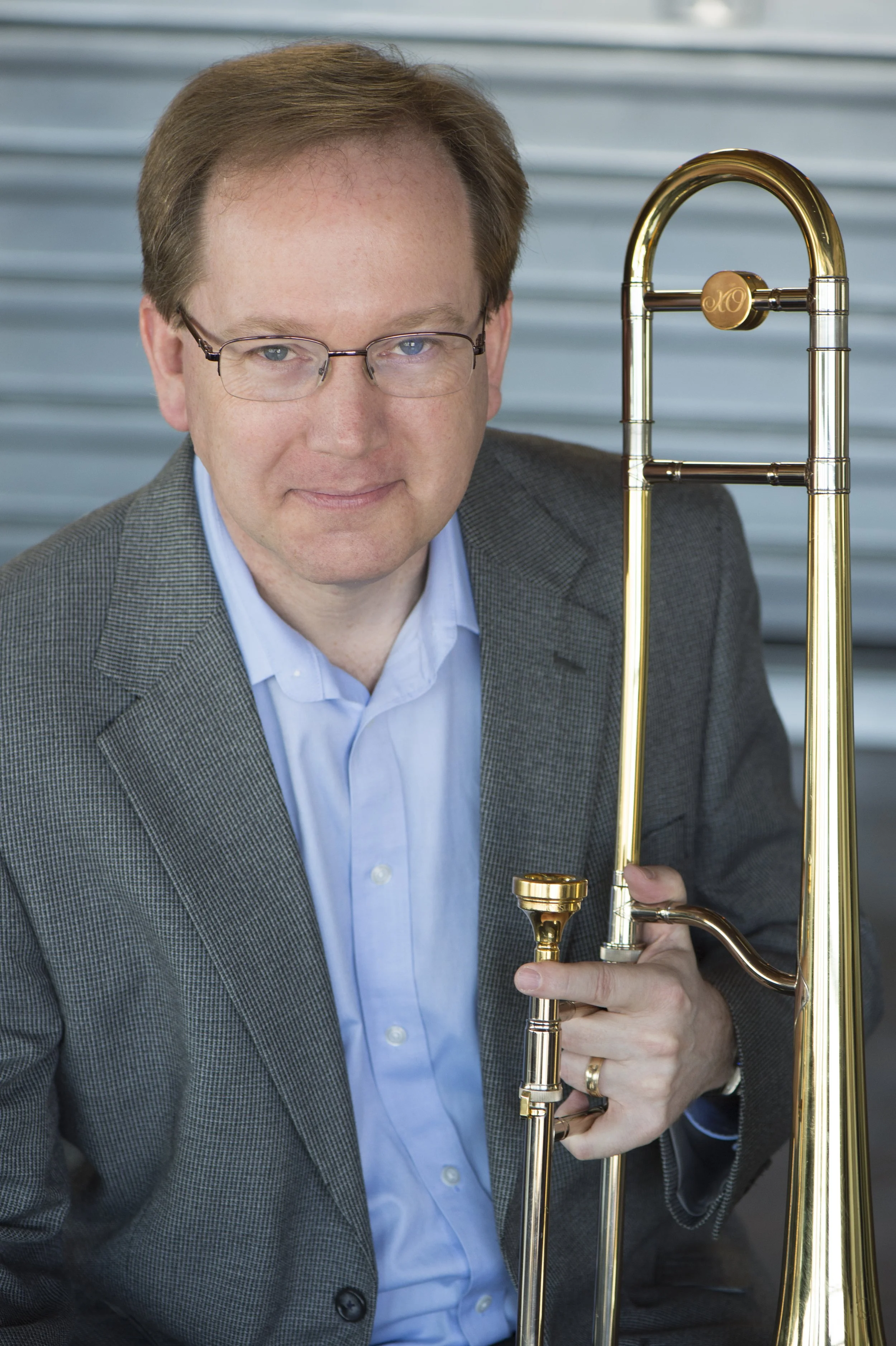
-
![]()
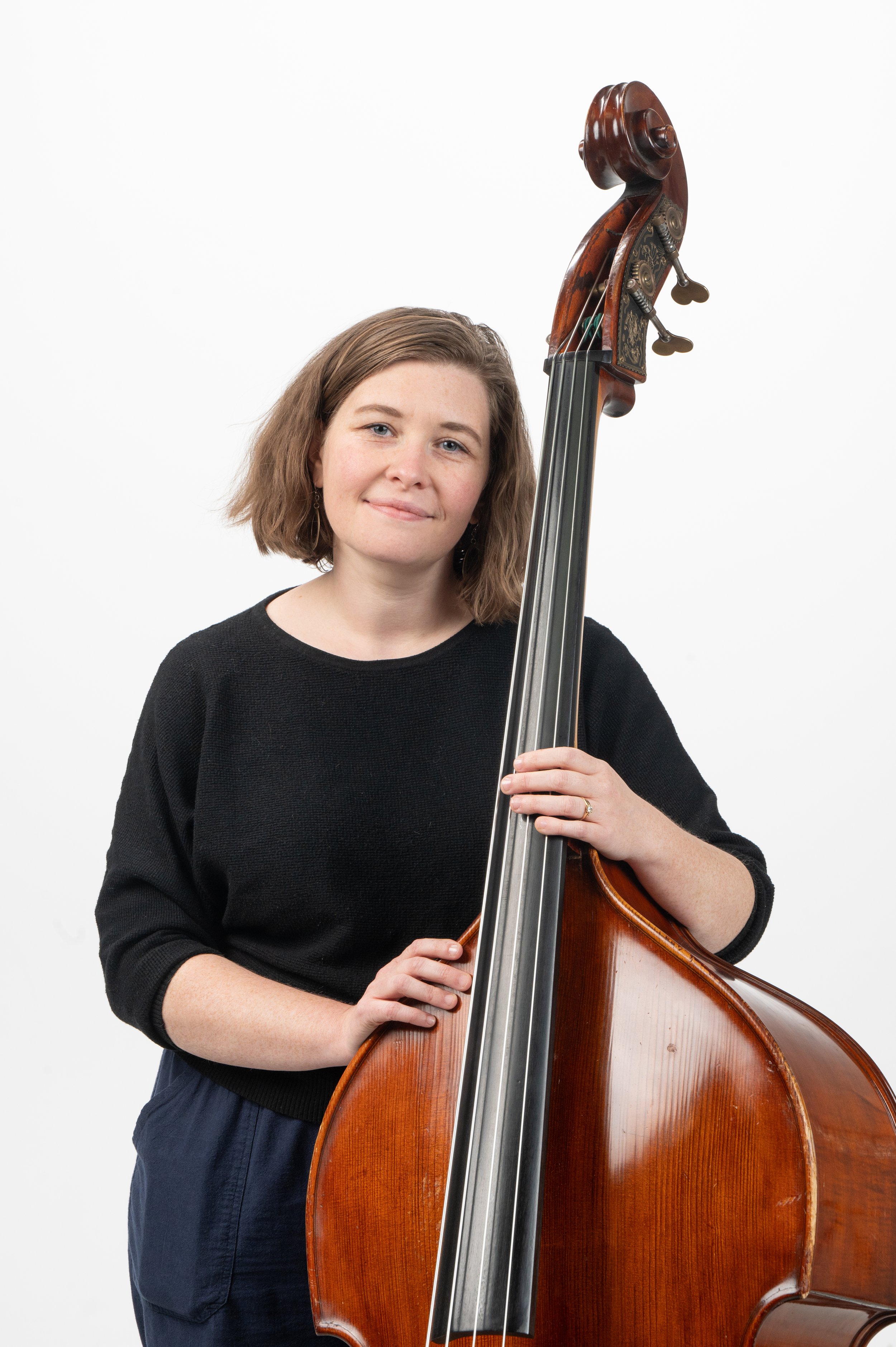
KATIE ERNST
Katie Ernst is described by the Chicago Tribune as "a versatile young bassist who plays in far-flung bands and sings with uncommon delicacy and authenticity." She is co-leader of the adventurous Chicago-based jazz trio Twin Talk, folk-jazz duo Wayfaring, and has received widespread critical acclaim for her Dorothy Parker poetry song cycle Little Words, which premiered at the Kennedy Center in Washington, DC.
Her performances and recognitions include a 2022 composing residency at the Ragdale Foundation, appearances at the Hyde Park and Chicago Jazz Festivals, performing with MacArthur Fellow pianist/composer Jason Moran at the Chicago Symphony Center and the Kennedy Center, and being named a Luminarts Fellow in Jazz.
An active sidewoman in Chicago’s jazz and improvised music communities, Katie is a teaching artist for the Jazz Institute of Chicago’s Jazz Masters Residency Program in Chicago Public Schools and a faculty member at Birch Creek Music Academy. She served as jazz ensemble director at Wheaton College from 2013–2022 and travels throughout the US as a guest artist/clinician.
Katie holds a Bachelor of Music in Jazz Studies & Contemporary Media and a Bachelor of Musical Arts from the Eastman School of Music in Rochester, NY.
-
![]()
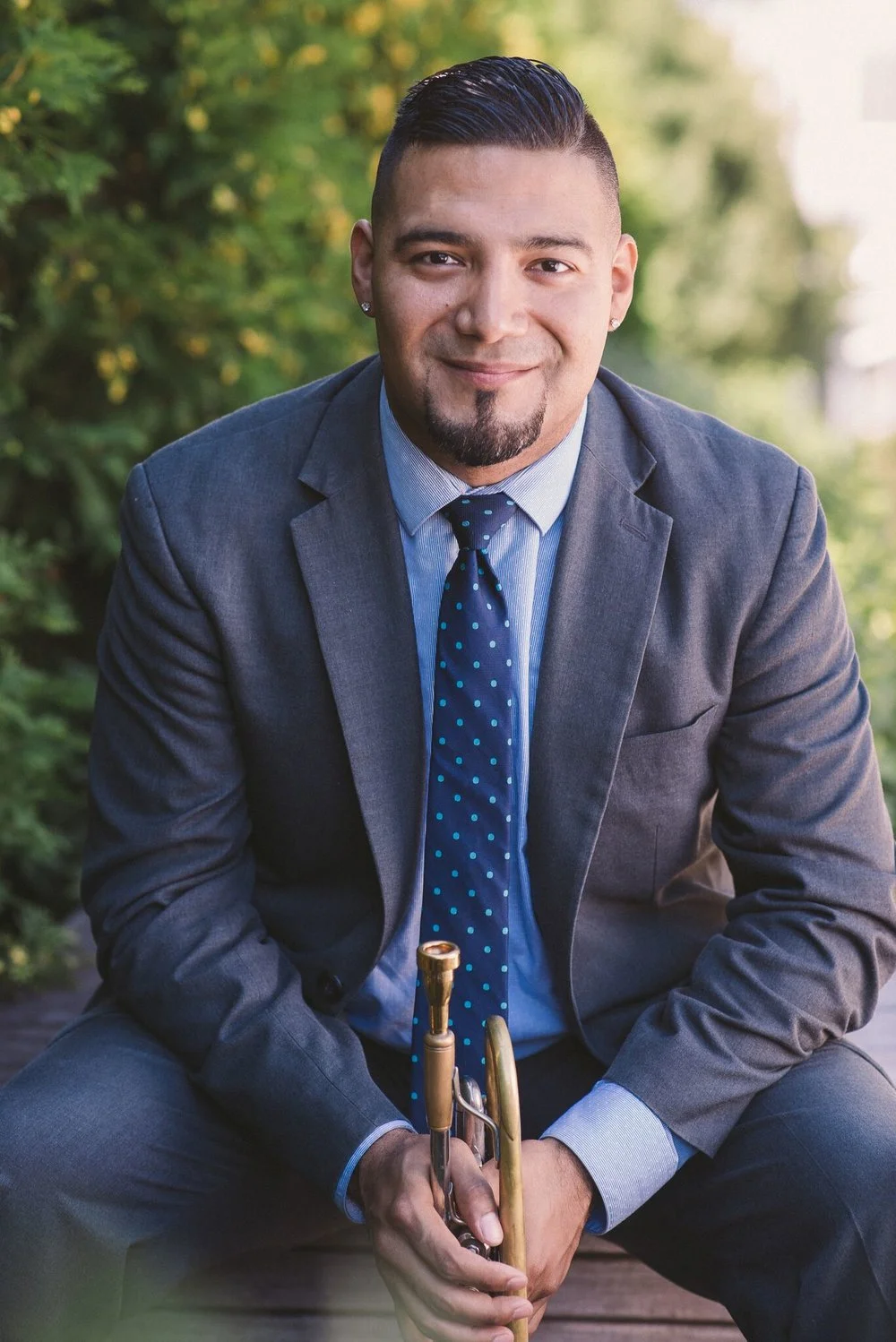
VICTOR GARCIA
GRAMMY-NOMINATED VICTOR GARCIA IS A MUSICAL FORCE TO BE RECKONED WITH.
Examiner.com’s Neil Tesser calls him “one of the most exciting young musicians.” Chicago Tribune’s Howard Reich says that he “stands out as an ebullient soloist offering a formidable technique and a radiantly polished tone.” JazzChicago.net’s Brad Walseth regards him as a “young lion trumpeter.”
He’s as versatile as he is creative. His trumpet talent heralds his international acclaim. He also sings, plays percussion, and his songwriting, arrangements and charts have led him to professorial positions at Roosevelt University, Loyola University and the University of Illinois in Chicago.
The lineup of greats he’s performed with speaks for itself: Aretha Franklin, Arturo Sandoval, Spoon, Monty Alexander, Wynton Marsalis, Victor Manuelle, Nicholas Payton, La India, the Temptations, Steve Turre, BeBe Winans, Tito Puente, Jr., Paquito d’Rivera, Randy Brecker, Branford Marsalis, and Dr. John. Victor has recorded on dozens of albums, three of them Grammy-nominated. He released his debut album, The Grind/The Groove, in 2018 and he’s recorded on dozens of other albums, three of them Grammy-nominated.
-
![]()
DR. ERIC HINES
Dr. Eric Hines is a professional percussionist/educator residing in Chicago. An accomplished performer of classical, jazz, Caribbean, Brazilian, Mexican, and popular percussion, Dr. Hines maintains an active international touring schedule. As a bandleader, Eric appears regularly in the Chicago music scene directing his steel pan driven Caribbean jazz ensemble Eric Hines & Pan Dulce. Dr. Hines is also the drummer/percussionist for Sones de México. Dr. Hines has presented at the Library of Congress, International Percussion Festival in San Juan, Puerto Rico, PAS Days of Percussion (Texas, Arizona, & Louisiana), TMEA Clinic/Convention, many universities, and summer percussion programs. His performance and recording credits include work with The Southwest Michigan Symphony Orchestra, The Southern Arizona Symphony Orchestra, The Valley Symphony Orchestra, Champaign-Urbana Symphony, Too Hot to Handel Jazz Orchestra, Chicago Jazz Philharmonic, and The Ravinia Jazz Mentors. Eric has performed internationally throughout Puerto Rico, China, England, Scotland, Belgium, France, Canada, and Mexico.
-
![]()
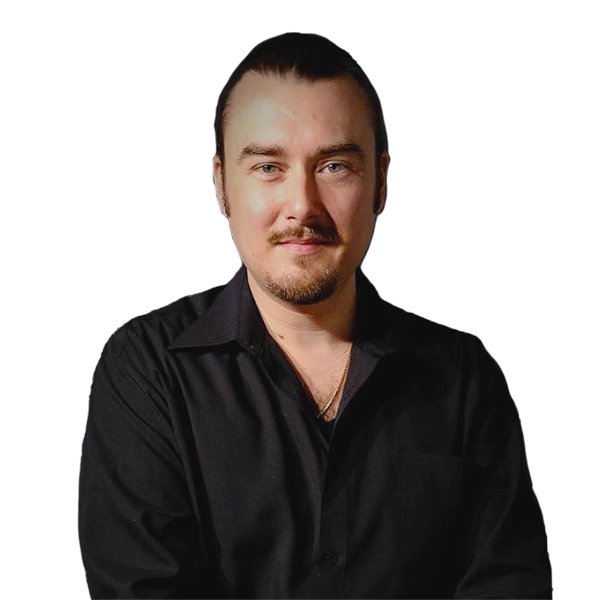
DONOVAN MIXON
Ambidextrous crossover artist and former Berklee College of Music professor Donovan Mixon, lived abroad for an extended period as a freelance performing artist, clinician and college professor (Istanbul Bilgi University, University of Bologna), performing at major jazz festivals (Umbria, Monticello, Istanbul, Ankara) and as a clinician at educational institutions (B.A.U. - Istanbul, C.E.U. - Budapest, Shanghai American School – China, School of the Arts Singapore).
Perhaps the apex of his academic career occurred when Advance Music published his critically acclaimed music text Performance Ear Training.
A self-described citizen of the world, Mixon has lived in Chicago for the past ten years performing in clubs, concert halls and festivals with his group Hybrid Project Chicago as well with the GBME - Great Black Music Ensemble of the AACM. He became an inductee into the famous organization in January 2023.
He released his single It’s Been Good on bandcamp.com in December 2020, and in 2019 released We Play When We Play, a compilation drawn from Look Ma, No Hands!—recorded by his Boston band featuring saxophonist George Garzone—and Language of the Emotions, his Milan quartet featuring Eddie Henderson on trumpet. He also counts the recording Free With Lee, on which he appears with the great alto saxophonist Lee Konitz for Philology Records, among the many summits of his career.
Critic Brad Walseth of jazzchicago.net has praised his Istanbul recording Culmination as “a highly engaging release from a guitarist/composer with a distinct style who I hope to hear much more from in the future.”
Donovan Mixon is also the author of the award-winning novel Ahgottahandleonit, published in 2017 by Cinco Puntos Press. Info, reviews and story-driven audio tracks can be found at donovanmixonwriter.com.
-
![]()
BETHANY PICKENS
Bethany Pickens is an award winning pianist and composer. Born in Chicago, she began her musical training under the watchful tutelage of her father Willie Pickens, world-class Jazz pianist. She also was impacted deeply by the 9 years she spent as a member of the Chicago Children's Choir during her formative years. Since graduating from the American Conservatory of Music, Bethany has had the opportunity to perform, record, and conduct clinics with such artist as Clark Terry, Louis Bellson, Bobby Watson, Von Freeman, Steve Turre, Ray Brown, Ed Thigpen, Willie Pickens, Susan Anton, Lizz Wright and Grammy award winners Dee Dee Bridgewater, Roy Hargrove and Branford Marsalis, Rascal Flats, Josh Groban, Aretha Franklin, Patti LaBelle and Usher.
Ms. Pickens is an Illinois State Board Certified Instrumental Music Teacher. She has taught PreK-12 for the Chicago Public School System for over 20 years. She currently is the Piano Instructor at Kenwood Academy High School, her Alma Mater!
Additionally, Bethany has worked as an Artist-in-Residence with the Jazz Institute of Chicago, Chicago Public Schools All-City Elementary Jazz Ensemble, and an Instructor with the Ravinia Jazz Scholars Program. She has also served as an Adjudicator for The CPS City-Wide Jazz Festival.
Bethany and her Father have Performed Duo Concerts at Chicago Symphony Center, Ravinia, The Steinway Society, and the International Jazz Educators Convention and most recently NPR's Jazz Piano Christmas Series at John F. Kennedy Center of the Performing Arts in Washington DC, 2016.
-
![]()
LENARD SIMPSON
Originally hailing from Milwaukee, Wisconsin, Lenard Simpson’s well-earned reputation as “quickly becoming one of the most important saxophonists of this generation” (Kiefer) has secured him a spot as a rising star among his contemporaries. From his early days in Milwaukee as a self-taught beginner, to formal studies at Northern Illinois University (B.M., jazz performance) and UCLA’s Herbie Hancock Institute (M.M., music performance jazz), Simpson’s natural ability and outstanding musicianship have been recognized by some of the most celebrated jazz musicians and pedagogues across the world, including Herbie Handcock, Christian McBride, Wayne Shorter, and many more. An active, in-demand performer, composer, arranger, and educator, Simpson “is trusted and called upon by some of the highest-level musicians anywhere” (Kendall Moore) due to his strong collaborative musicianship, unique sound marked by “profound soulfulness combined with a sparkling intelligence and curiosity” (Billy Childs), and compassionate and individualized approach to teaching. As a band Leader, Simpson’s quartet has played at the major jazz festivals in the midwest and recently released an album entitled New Beginnings. Simpson’s work as an in-demand sideman has included performances both local and abroad with Billy Childs, Kurt Elling, Marquis Hill, Kiefer, Knower, Sara Gazarek, Clayton Cameron and Brian Lynch. As an Educator, Simpson serves as the saxophone and lab band director at Harper College. He also teaches at the Milwaukee Institute of Jazz, he served as an adjunct saxophone professor at Indiana Jacobs School of Music, Northern Illinois University and has taught masterclasses for international Jazz Day in Melbourne, Australia, at the Sitka Jazz Festival in Sitka, Alaska. Additionally, Simpson has taught at the Birch Creek Jazz camp, Northern Illinois Jazz camp, and the UCLA Global Jazz camp.
Curriculum
Jazz Band Intensive (Recommended for junior high and high school band classes)
The Jazz Band Intensive provides junior high and high school musicians an invigorating opportunity to experience new jazz compositions and new ways of exploring improvisation in a large-ensemble setting. Students will be provided with the tools for improvising, be exposed to different styles of jazz through listening and rehearsing, and develop knowledge in music theory. Lessons will be addressed to meet their level of experience and expertise. Teachers and their students will learn how to approach improvisation through learning and utilizing skills according to their abilities, including major and minor scales, pentatonic, dominant seventh, diminished, whole tone, and chromatic scales. They will also be introduced to the concepts of chord relationships and neighboring tones. The instructor will work to help the students develop their understanding of the jazz art form appropriate to their level, and work with the teacher on how to best work with students on improvisation and jazz performance styles throughout the year. Written examples will be provided.
The Jazz Voice and Vocal Improvisation (Recommended for grades 7 to 12)
The class will be exposed to all different forms of jazz, from traditional to non-traditional styles. The Residency will emphasize improvising (ad libs, scat singing) and creating new arrangements. The Residency will engage students in vocal exercises that encourage creativity and imagination. Students will be provided with illustrations of techniques such as inflection, dynamics, vibrato, tone, and color, and how they are used in jazz vocals. Students learn songs with special phrasing, providing exposure to practice in vocal Jazz technique. Students will learn about classic jazz vocalists, Abby Lincoln, Ella Fitzgerald, Sarah Vaughan, and others. Teachers and their students will learn exercises in rhythmic elements such as time/feel, articulation, and use of rhythms, which will be provided to assist in developing listening, performing, and speaking skills.
Residency Programs Available
Swinging, Grooving and Beyond: Improving Musicians’ Time and Rhythm
(Recommended for elementary and high school instrumental music classes)
This Residency is designed to help young musicians form a solid rhythmic foundation in order to play strong, solid time and relatively complex rhythms and polyrhythm to better express their musical ideas. These classes will also strengthen the musicians’ understanding of and ability to play various jazz, African, Afro-Cuban and Brazilian rhythms, and assist teachers in working with developing student rhythm sections. Good time and rhythm is aided by teaching rhythmic coordination, which involves the use of the body to work on building an internal clock. Good time and rhythm are only part of the benefit of rhythmic coordination. With the development of good time and rhythm throughout the body comes better overall coordination that pervades our everyday physical movement, which can last a lifetime.
Latin Jazz (Joplin, Puente, Gillespie and Beyond: The Evolution of Latin Jazz)
(Recommended for elementary and high school instrumental music classes. General music classrooms can be accommodated)
The Residency is designed as an introduction to the evolution of essential Afro-Cuban musical styles, rhythms, and instruments that are the foundation of music marketed as Latin jazz. Topics to be covered are: The History and African roots of Latin American Music, and; The Evolution of Latin Jazz in the Americas. Students and teachers will receive instruction in basic performance techniques of Afro-Cuban percussion and featured “Latin jazz standards” written in these essential music styles. This Residency is recommended for grades 5 through 8 and high school instrumental ensembles.
Performance Ear Training for Jazz
(Recommended for junior high and high school instrumental ensembles)
Performance Ear Training is a collection of time-based study concepts designed to teach you specifically ‘how’ to study in order to develop a high-level musicianship. The objective of this series of 8 master classes is to introduce and drill students in the primary Study Concepts that form the basis of Performance Ear Training and to show, if practiced, will help develop an innate physical response to pitch, intervals and chord progressions in the context of performance.
The Study Concepts are: 1. Sing Then Play: Technique to develop the ability to think and ‘inner-hear’ melodic intervals while strengthening the sense of harmonic intervals. It will be shown how S.T.P. can be used with various types of exercises. 2. Inner Hearing: Technique to develop the ability to accurately perceive music mentally. 3. Harmonic Basslines: Technique for singing a bassline to a progression that precisely communicates its sound. 4. Tendency Tones: Technique for using the natural tendencies of notes, particularly in a cadence as a mode of learning the color of diatonic and chromatic notes in the context of a key. 5. Cycle Four Interval Exercises: Technique for recognizing the essential character of diatonic and chromatic intervals in the context of a tonality.